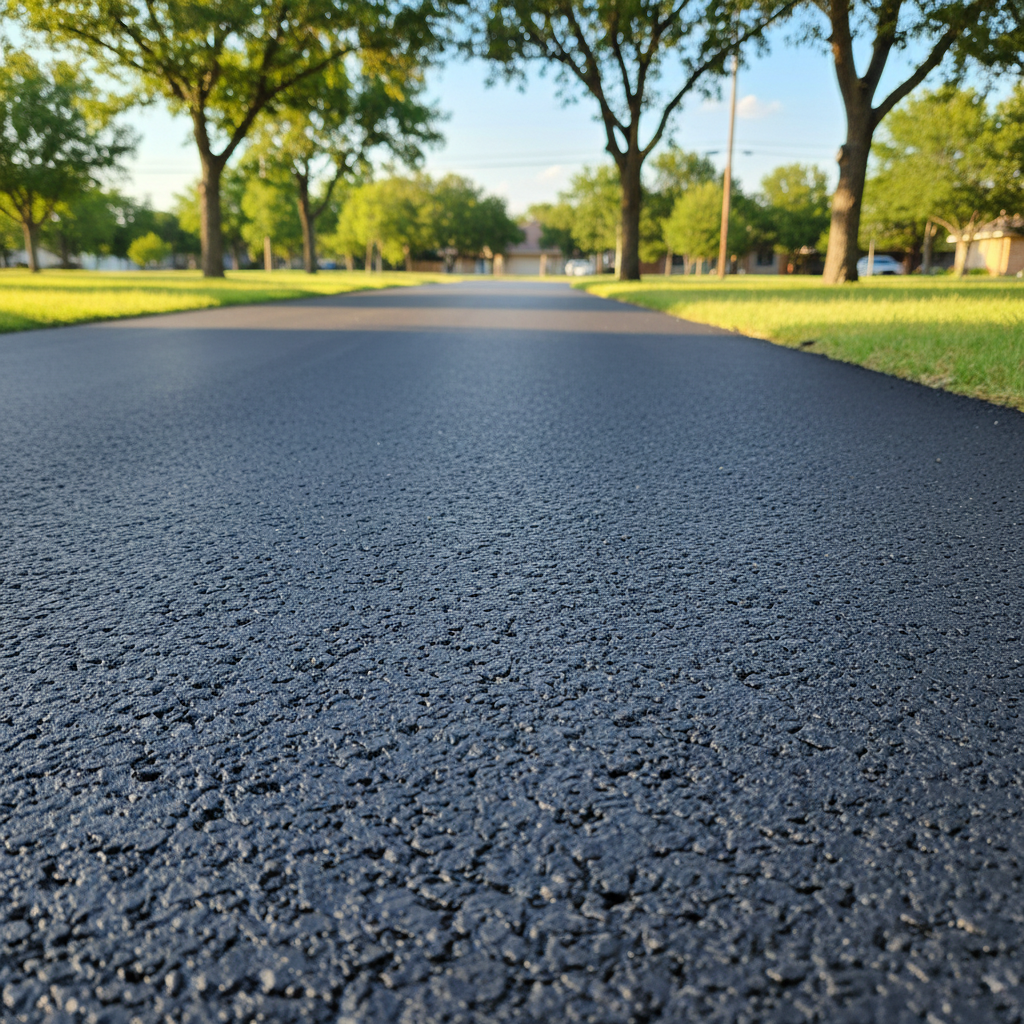
You've got a driveway, or maybe you're just thinking about putting one in, and you've probably got a ton of questions. Totally normal, by the way. I've been doing this work around Arlington for years, and I hear a lot of the same concerns from folks. So, I figured I'd tackle some of the most common ones right here, straight up, no fluff.
Asphalt or Concrete: Which is better for an Arlington driveway?
This is probably the number one question I get asked. And honestly, there's no single 'better' answer; it really just depends on what you're looking for. Asphalt usually costs less upfront. It's flexible, which is a huge plus in our Texas climate. You know how our ground shifts with all the rain and then those long dry spells? That flexibility helps asphalt resist cracking from ground movement a lot better than concrete. It also handles temperature swings well. On the flip side, asphalt does need more regular maintenance – sealcoating every few years is pretty important to protect it from the sun and keep it looking good. Oh, and it gets hotter in the summer, which can be a minor annoyance.
Concrete, now that's a different story. It costs more initially. It's super durable and can last a long time, often 20-30 years, with less maintenance than asphalt. It tends to look a bit more formal, and you can even get it stamped or colored if you want a specific look. But that rigidity? That's a double-edged sword. If the ground underneath shifts, or if you get heavy loads on it, concrete is much more prone to cracking. Once it cracks, it's a tougher, more expensive fix than patching asphalt. For a lot of the older homes in areas like Dalworthington Gardens, where you see a mix of soil types, asphalt often makes more sense because it's so flexible.
How long does a new asphalt driveway last?
A well-installed asphalt driveway, properly maintained, should give you a good 15 to 20 years, sometimes even more. But those two phrases – 'well-installed' and 'properly maintained' – are really the key. If you skimp on the base layer or don't get it sealcoated every 2-4 years, you're going to cut that lifespan down significantly. Things like heavy vehicle traffic, oil spills, and even just the intense Texas sun can really take a toll. Think of sealcoating like sunscreen for your driveway; it protects it from UV rays, keeps water from getting in, and helps stop the asphalt binders from breaking down.
What about drainage? Is that really important?
Absolutely, drainage is critical, and it's something a lot of homeowners don't think about until they have a problem. Water is the enemy of any pavement, whether it's asphalt or concrete. If water just sits on your driveway, it's going to seep into cracks, get under the surface, and start eroding the base. In the winter, if we get a freeze (which doesn't happen often, but it does happen), that trapped water expands and causes even more damage, lifting and cracking the pavement. A good contractor, like us at Arlington Asphalt Construction, will always design your driveway with a slight slope to direct water away from your house and foundation, usually towards the street or a designated drainage area. We'll also make sure the edges are properly graded. Don't underestimate this step; it'll save you a lot of headaches and repair costs down the line, believe me.
Can I pave over my old concrete or asphalt driveway?
Sometimes, yes, you can, but it's not always the best idea. If your existing driveway is in pretty good shape – meaning it's structurally sound, drains well, and only has minor cracks or surface wear – then paving over it, especially with asphalt, can be a cost-effective option. We call that an overlay. The old surface basically becomes part of the new base. However, if your old driveway has significant structural issues, like deep potholes, widespread cracking, or major drainage problems, then paving over it is just putting a band-aid on a bigger wound. Those underlying issues will eventually show through your new surface, and you'll be dealing with problems much sooner than you should. In those cases, full removal and replacement is the way to go, even if it costs more upfront. You want a solid foundation for a solid driveway, right?
How long does a new driveway take to install?
For a typical residential driveway, the actual paving process for asphalt usually takes 1-3 days, depending on the size and how complex it is. Concrete can take a bit longer for the pour and then needs several days to cure before you can drive on it. But that's just the paving part. Before we even get to that, there's site preparation: excavation, grading, laying the base material, and compacting it. That prep work can easily add another 1-3 days, sometimes more if there are drainage issues or a lot of old material to remove. So, from start to finish, you're generally looking at anywhere from 3 to 7 days of active work. After an asphalt driveway is laid, you can usually drive on it lightly within 24-48 hours, but it's best to wait a few days if you can. Concrete needs more time, usually 7 days for light traffic and 28 days to reach its full strength.
What kind of maintenance does an asphalt driveway need?
Like I mentioned, asphalt needs a little love to keep it going strong. The biggest thing is sealcoating. I recommend getting it done every 2 to 4 years, depending on how much sun it gets and how much traffic it sees. Sealcoat protects the asphalt from UV rays, water, and chemicals like oil and gas. It also gives it that nice, dark, refreshed look. Beyond that, you'll want to address any small cracks or potholes as they appear. Don't let them get big; a small crack can turn into a huge problem quickly if water gets in there. Keep it clean too – sweep off leaves and debris, especially in the fall, because decomposing organic matter can stain and degrade the surface over time. If you spill oil or gas, clean it up right away. Just a little attention goes a long way in extending your driveway's life, trust me.
Will my new driveway disrupt my landscaping?
We do our best to minimize disruption, but some impact is usually unavoidable. When we're excavating and grading, there's heavy equipment involved, and we're moving a lot of dirt. We'll always communicate with you about what areas will be affected. We'll try to protect existing plants and features as much as possible, but if a tree root is in the way of proper base installation, it might need to be trimmed or removed. If you have sprinkler heads near the driveway edge, we'll need to work around those carefully. It's a good idea to discuss your landscaping concerns with your contractor upfront so we can plan accordingly. We want your driveway to look great, and we want the surrounding area to recover quickly too.